 The spongy decorator crab (Marcocoeloma trispinosum), is a species of decorator crab. They will put sponges, corals, and other things on themselves to camouflage. The one in the picture has covered himself with mushroom polyps. They stick the camouflage of choice on themselves like Velcro. They have little hook life hairs on their body which helps attach things to them. They will even change what they have on them depending on what is in their environment.
Tuesday, October 22, 2013
Spongy Decorator Crab
The spongy decorator crab (Marcocoeloma trispinosum), is a species of decorator crab. They will put sponges, corals, and other things on themselves to camouflage. The one in the picture has covered himself with mushroom polyps. They stick the camouflage of choice on themselves like Velcro. They have little hook life hairs on their body which helps attach things to them. They will even change what they have on them depending on what is in their environment.
Tuesday, October 15, 2013
Strate Bubbles
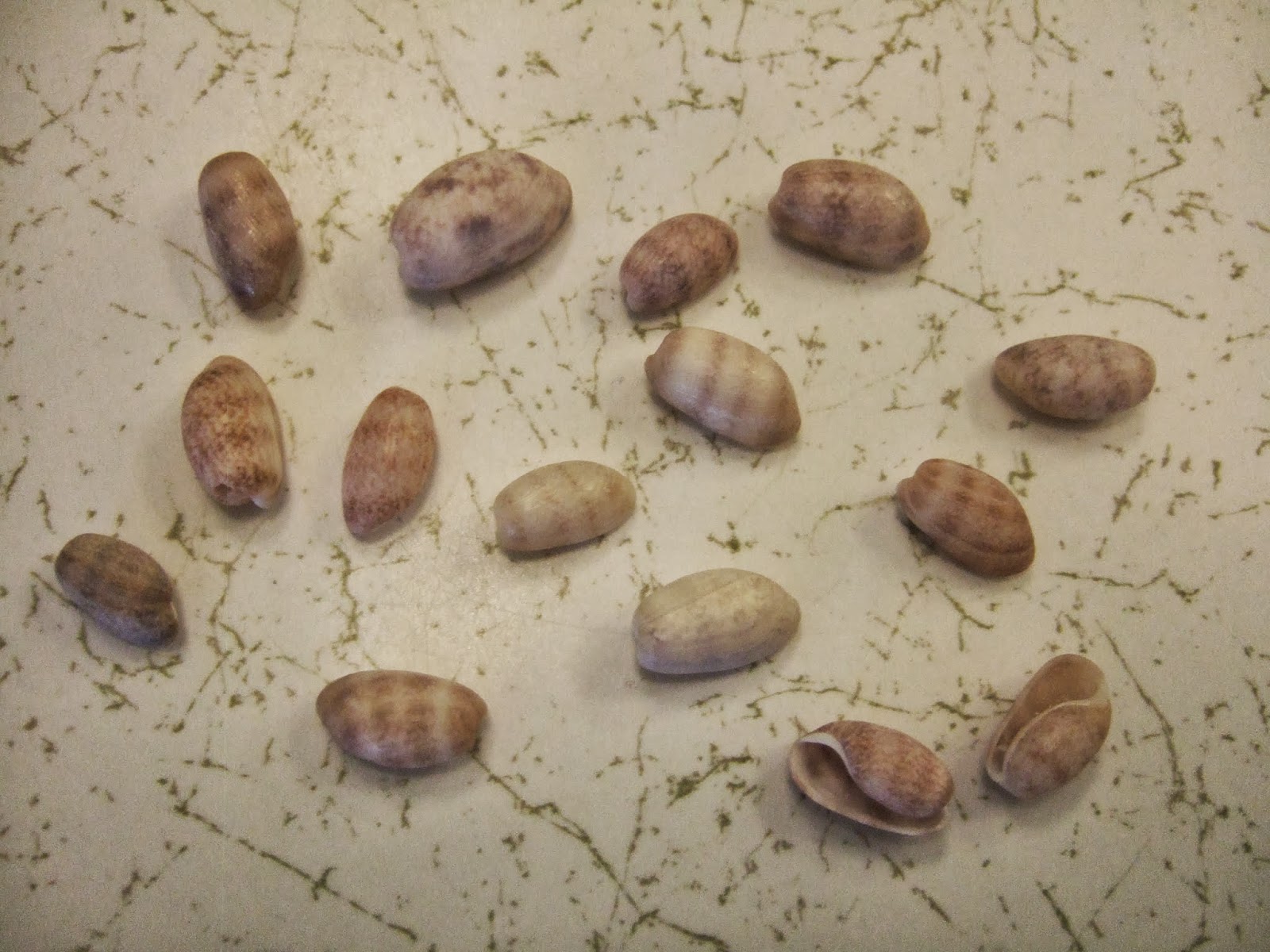 Strate bubbles (Bulla striata) are also called common Atlantic bubbles. Bubbles are gastropods. Bubbles are related to sea hares and nudibranchs. When there foot and mantle are extended, they can completely cover their shell. Unlike most gastropods, they don't have eye stalks; instead their eyes are directly on their head.
Tuesday, October 8, 2013
Airport Art Contest
 Recently, I have been working on a picture for the Sarasota Bradenton International Airport art contest. I have my picture finished, but I could use some ideas on the background. If you have any ideas, please leave a comment on this post. Thanks!
 Update- I have sent in my picture with a background. I decided on Blue with green streaks going left to right.

Tuesday, October 1, 2013
Stingrays, Stingrays, and More Stingrays!
 |
| Stingray Under The Sand |
 |
| Two Atlantic Stingrays |
Tuesday, September 17, 2013
Cownose Ray
The cownose ray (Rhinoptera bonasus) is a species of ray. It gets it's name from the shape of it's head because it looks like a cow's nose. To find their prey, they will either flap there fins to stir up the sand, or they will move the sand around with their snouts. Once they have located there prey, they will rapidly flap their fins to reveal their prey. Cownose rays will migrate by the thousands from the Gulf of Mexico, and up the east side of the U.S.. Their natural predators include cobia and sharks. They are not commercially fished by people. However, the Virginia Sea Grant at VIMS is trying to persuade people to start eating cownose rays because a main part of their diet is oysters. But since cownose rays usually only have one pup at a time, it could cause a decrease in the population like the thylacines did. Cownose rays are commonly kept in touch tanks in aquariums. I don't think that I have ever been to a stingray touch tank where they did not have cownose rays.
Tuesday, September 10, 2013
Mandarin Dragonet

 The mandarin dragonet (Synchiropus splendidus), is a tropical from the family Callionymidae. Mandarin dragonets go by many different names including mandarin goby and mandarin fish. They usually live in small groups in the wild. Mandarin dragonets produce a thick mucus that covers them and is toxic to whatever might try to eat it. Mandarin dragonets will dull in color when they are going to rest at night. Mandarin dragonets are popular in marine pet stores, despite the fact that they are difficult to feed because they eat amphipods and other small invertebrates.
Thursday, July 18, 2013
Beach finds


Subscribe to:
Posts (Atom)